



 ไทย
ไทย English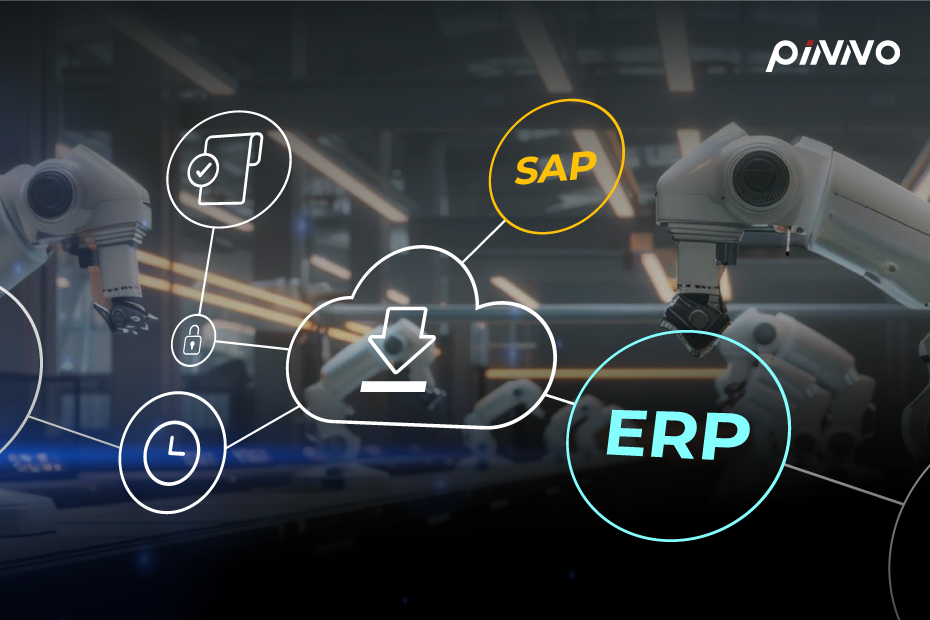
For many organizations, HR software is still seen as a system for managing employee records, leave, and payroll. But for large enterprises, that is no longer enough.
As businesses grow, workforce data becomes closely tied to budgeting, finance, compliance, and operational planning. That is why more large organizations are choosing HR software that integrates with ERP.
It is not only about improving HR processes. It is about creating better alignment across the business.
HR software and ERP serve different roles but should work together
HR software is designed to manage people-related processes, from employee data and attendance to payroll, performance, and workforce development.
ERP, on the other hand, is built to manage core business functions such as finance, accounting, procurement, inventory, and operational workflows. When these systems operate separately, important data often sits in silos. Employee information may live in one system, while payroll costs, budgets, and financial records live in another. This creates unnecessary manual work, delays, and a greater risk of inconsistency.
When HR software is connected to ERP, data moves across functions more smoothly. Teams can work with greater accuracy, better visibility, and a more unified view of the organization.
Why integration matters for large enterprises
It creates a single source of truth
Large enterprises manage high volumes of data across multiple departments, entities, and locations. Without system integration, it becomes difficult to keep workforce data and financial data aligned.
HR software that integrates with ERP helps ensure that employee records, payroll data, and labor costs are consistently reflected across the organization. This reduces duplication, improves accuracy, and gives leaders more confidence in the data they rely on.
It improves budget planning and cost visibility
In many organizations, labor cost is one of the largest business expenses. If payroll data is disconnected from finance, budgeting becomes slower, less accurate, and harder to manage at scale.
With HR software connected to ERP, payroll, overtime, benefits, and related workforce costs can flow directly into financial processes. This gives finance teams better visibility, supports more accurate forecasting, and helps leadership make better-informed workforce decisions.
It supports business growth and complexity
As organizations expand, structures naturally become more complex. More branches, more business units, more cost centers, and more layers of approval can make HR and payroll operations harder to control.
Integrated HR and ERP systems help enterprises manage that complexity more effectively. They support scale, reduce the burden of manual consolidation, and make it easier to maintain consistency as the organization grows.
It enables better decisions with real business data
Today, business leaders are under increasing pressure to make faster, more data-driven decisions. But that becomes difficult when HR data and business data are disconnected.
When HR software integrates with ERP, organizations can analyze workforce data in a broader business context, whether that means understanding labor cost by department, comparing workforce spending with performance, or identifying people trends that impact operations.
It reduces repetitive work and improves team efficiency
In organizations where HR and finance still exchange files manually, teams often spend unnecessary time reconciling data, correcting errors, and repeating routine tasks.
Integration helps remove those inefficiencies. Instead of transferring data between systems or re-entering the same information multiple times, teams can work with more automation and fewer manual steps.
It strengthens compliance and data control
Large enterprises often operate under strict internal controls, audit requirements, and data security expectations. Disconnected systems make those responsibilities harder to manage.
An integrated HR and ERP environment helps improve traceability, access control, and data consistency. This supports stronger governance, simplifies audit readiness, and reduces the operational risk that comes with handling sensitive employee and payroll information.
Choosing HR software for enterprise needs
For large organizations, choosing HR software should not be based on basic functionality alone. Features such as leave management and payroll processing are important, but they are only part of the picture.
What matters more is whether the system can integrate with ERP, support standardized data across functions, adapt to organizational complexity, and scale with future business growth. The right HR software should not only serve HR. It should strengthen the way the business operates as a whole.
For large enterprises, investing in HR software that integrates with ERP is not simply a technology upgrade. It is a strategic decision to build stronger data alignment, improve financial visibility, reduce operational friction, and support long-term growth with greater confidence.
Book a Demo
If your organization is looking for HR Software that supports both your business goals and your people strategy, Pinno’s HR Software is the key to modern HRM success.
Book a demo today. Click here.