


 ไทย
ไทย English
Employee benefits in Thailand fall into two groups. Statutory benefits are required by law, such as social security, the Workmen’s Compensation Fund, and holidays and leave under the Labour Protection Act. Voluntary benefits are chosen by the company, such as group health insurance, a provident fund and allowances. Good planning means spending the voluntary budget on benefits employees actually use, and measuring the result.
Year-end is budget season, and benefits are one of the lines finance questions most. Finance wants to know whether the money is worth it, while employees often feel current benefits don’t fit their needs. Many organisations have a long list of benefits but no data on which ones are used. This guide separates what is required from what is optional, and gives your HR team a structured way to plan next year’s budget.
💡 What are employee benefits?
Employee benefits are anything an employer provides beyond salary and wages. Some are required by law and some are added by the company. They support employees’ security, health and quality of life, and help attract and keep talent.
Statutory vs voluntary benefits in Thailand
Statutory benefits (required)
- Social security: employer and employee each contribute 5% of wages. From 1 January 2026 the wage ceiling rose from THB 15,000 to THB 17,500, so the maximum contribution is now THB 875 per month for each side.
- Workmen’s Compensation Fund: paid by the employer only, covering work-related injury and illness. The rate depends on business type.
- Holidays and leave: at least 13 traditional holidays, at least 6 working days of annual leave after one year of service, and up to 30 working days of paid sick leave per year.
Voluntary benefits (company choice)
- Group health and accident insurance
- Provident fund (employees contribute 2–15% of wages; the employer contributes at least the employee’s rate)
- Transport, meal and phone allowances
- Annual health checks and mental health support
- Education and learning budgets
- Extra leave, such as birthday or caregiver leave
Key facts:
- 52% of Asia Pacific employers see mental health as the top area to improve benefits (WTW 2025 Benefits Trends Survey, 1,994 employers in 20 markets).
- 61% of employers in the same survey plan to rebalance their benefits spending (WTW, 2025).
- 33% plan comprehensive caregiver leave, up from 17% in the previous survey (WTW, 2025).
- Thailand’s social security wage ceiling rose to THB 17,500 with a maximum monthly contribution of THB 875 from 1 January 2026 (Social Security Office).
5 steps to plan next year’s benefits budget
- Review this year’s usage. Pull 12 months of claims per benefit. Look at take-up rate, average claim per person, and benefits that hit their limit early. Low take-up often means employees don’t know about a benefit or find claiming difficult.
- Survey employees. Keep it to 5–7 questions: which benefits matter most, and what is missing. Break results down by age, role and location, since factory, sales and office staff often want different things.
- Benchmark the market. Compare with employers in your industry, especially for hard-to-fill roles. See our guide to employee retention strategies.
- Set the budget and structure. Split it into three parts: statutory costs (based on next year’s projected payroll, including the new social security ceiling), core benefits for everyone, and a flexible budget employees choose how to use.
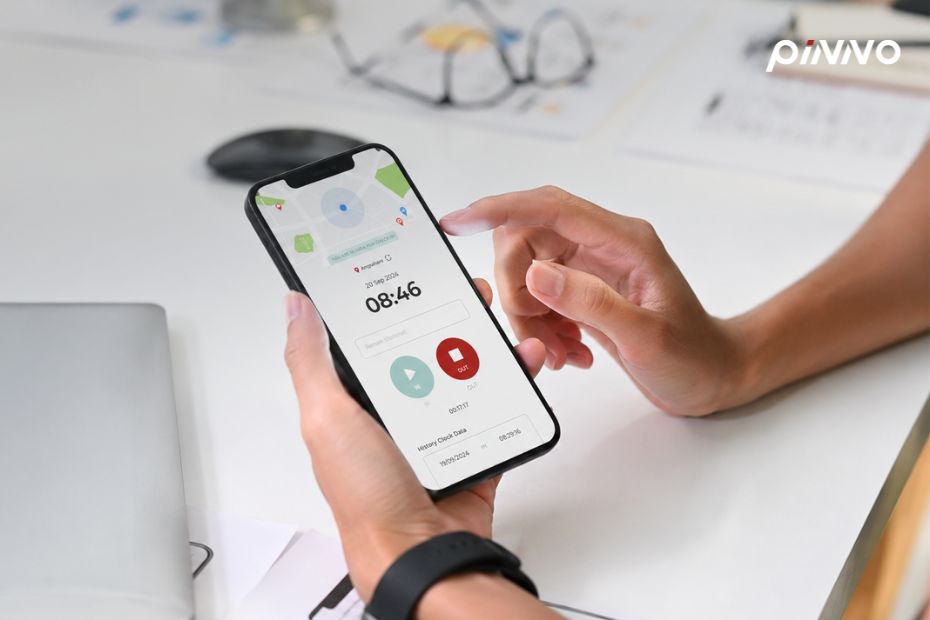
- Communicate and make claiming easy. Put all benefits and remaining balances in one place and let employees claim from their phone through Employee Self-Service.
💡 What are flexible benefits?
Flexible benefits give each employee a set allowance to spend on the benefits they choose, such as health checks, fitness or courses. They match individual needs while keeping total cost under control.
How to measure whether benefits are worth it
| Metric | How to calculate | What it shows |
|---|---|---|
| Take-up rate | Employees who claimed ÷ eligible employees | Which benefits employees value |
| Benefits cost per employee | Total benefits spend ÷ headcount | Trend vs last year and the market |
| Benefits-to-payroll ratio | Benefits spend ÷ total payroll | Value relative to total reward |
| Voluntary turnover | Voluntary leavers ÷ average headcount | Impact on retention |
Track these every quarter, not just at budget time. See HR Analytics: 7 metrics HR should track monthly.
Cut paperwork with online benefits claims (e-claim)
Checking receipts, tracking balances, routing approvals and passing amounts to payroll takes a lot of time when it’s done on paper or spreadsheets. With e-claim, employees photograph receipts and submit on mobile, the system checks balances, managers approve, and approved amounts flow into payroll without re-keying. Every claim also becomes data for next year’s plan. See how it works in Pinno Benefits Management.
Good benefits are measured by whether employees know about them, use them and value them, not by how many there are. Before proposing next year’s budget, separate statutory costs from voluntary benefits, start from real claims data, survey your people, set clear metrics, and make claiming simple.
Let Pinno power your HR
HR Cloud Software trusted by 20,000+ organizations in Thailand
Frequently Asked Questions (FAQ)
Q: Which employee benefits are required by law in Thailand?
A: Social security (5% each from employer and employee, with a THB 17,500 wage ceiling from 2026), the employer-funded Workmen’s Compensation Fund, at least 13 traditional holidays, at least 6 days of annual leave after one year, and the leave types set out in the Labour Protection Act.
Q: Is a provident fund mandatory in Thailand?
A: No. It is a voluntary benefit. Once a fund is set up, employees contribute 2–15% of wages and the employer contributes at least the same rate.
Q: Which organisations suit flexible benefits?
A: Organisations with a diverse workforce across ages and life stages, where different groups value different benefits. You need a system to track each employee’s allowance, or the admin workload grows quickly.
Q: When should HR start planning next year’s benefits budget?
A: In Q3 or early Q4, to leave time to pull claims data, survey employees and negotiate with insurers before group policies renew, which is often at the start of the year.
Q: How do I decide which benefits to cut or add?
A: Combine take-up data with satisfaction scores. Low take-up but high scores usually means you need better communication. Low take-up and low scores are the first candidates to change or reallocate.